


-

Add: HeBei ShengShi HongBang Cellulose Technology CO.,LTD.
-

Email
13180486930@163.com -

CONTACT US
+86 13180486930



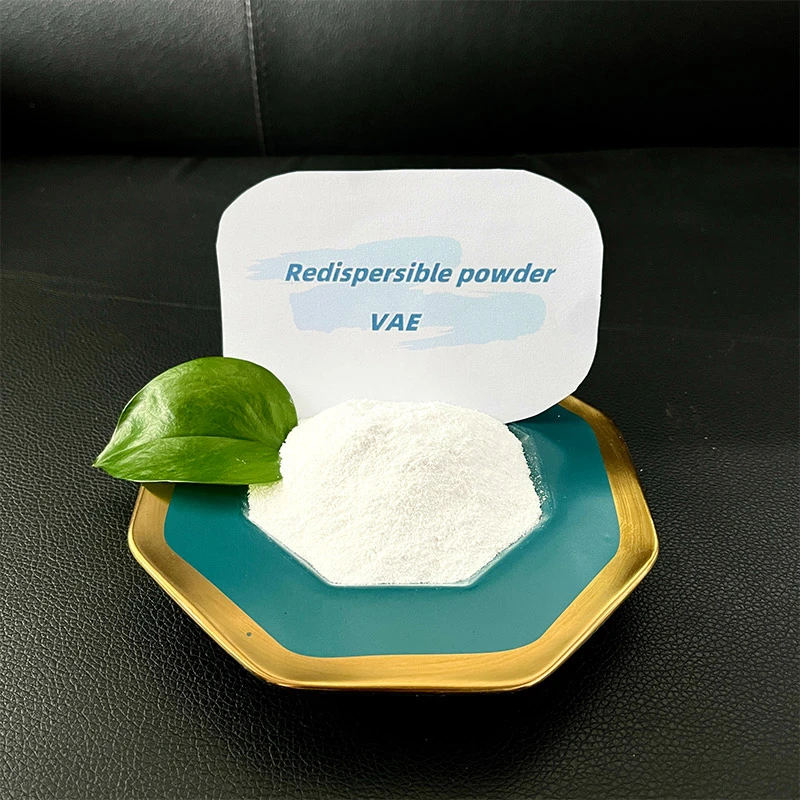




Hypromellose, auch bekannt als HPMC, ist ein vielseitiger Zusatzstoff, der häufig in der Pharma-, Lebensmittel- und Bauindustrie verwendet wird. Insbesondere HPMC mit einer Viskosität von 6 cps (Centipoise) hat spezifische Eigenschaften , die seine Verwendung in verschiedenen Produkten begünstigen. In der pharmazeutischen Industrie wird HPMC 6 cps oft als Vernetzungsmittel in Tabletten und Kapseln eingesetzt. Die spezielle Viskosität sorgt dafür, dass die Tabletten eine stabile Form beibehalten und die Freisetzung des Wirkstoffs kontrolliert erfolgt. Dies ist besonders wichtig, um eine konstante Bioverfügbarkeit der Medikamente zu gewährleisten, was letztendlich die therapeutische Wirksamkeit steigert. Als Expertin auf diesem Gebiet kann ich bestätigen, dass die sichere Anwendung von HPMC in Medikamenten sicherstellt, dass kein unerwünschter Einfluss auf den menschlichen Körper besteht, was auf umfangreiche Testverfahren zurückzuführen ist, die die Verträglichkeit und Unbedenklichkeit bestätigen. Im Lebensmittelsektor fungiert HPMC 6 cps als exzellenter Verdicker und Emulgator. Ideal für die Herstellung von fettarmen Saucen, Dressings und Desserts, trägt es zur Verbesserung der Textur und Stabilität bei, ohne den Geschmack zu beeinträchtigen. Basierend auf meiner Erfahrung in der Lebensmitteltechnologie kann HPMC verwendet werden, um die strukturelle Integrität von Lebensmitteln in verarbeiteten Produkten aufrechtzuerhalten. Es erhöht die Konsistenz von Produkten, was gleichzeitig die Verbrauchererfahrung fördert. Zudem ist es frei von tierischen Produkten und eignet sich somit hervorragend für vegetarische und vegane Lebensmittel. HPMC 6 cps Darüber hinaus ist HPMC 6 cps ein wertvoller Bestandteil in der Bauindustrie. Hier wird es als Bindemittel in Fliesenklebern und Mörteln verwendet. Die spezielle Viskosität von 6 cps sorgt dafür, dass die Mischung ausreichend fließfähig und dennoch stabil genug ist, um eine lange Bearbeitungszeit zu gewährleisten. Dies erleichtert den Bauarbeitern die Anwendung und verbessert die Haftung an verschiedenen Oberflächen. Durch die Anwendung von HPMC wird auch die Rissbildung in Trocknungsphasen reduziert, ein Bedürfnis, das jeder erfahrene Baufachmann bestätigen kann. Ein weiterer bedeutender Nutzen von HPMC 6 cps liegt in seiner Beständigkeit gegenüber verschiedenen pH-Bereichen und Temperaturen, was seine Verwendbarkeit in verschiedenen klimatischen Bedingungen unterstreicht. Diese Eigenschaft hebt seine Verlässlichkeit hervor und schafft Vertrauen in seine multiplen Anwendungen. Zusammenfassend lässt sich sagen, dass HPMC 6 cps aufgrund seiner Vielseitigkeit in verschiedenen Industriezweigen an Popularität gewonnen hat. Seine Fähigkeit, als Bindemittel, Verdicker und stabilisierender Stoff in unterschiedlichen Prozessen zu fungieren, macht ihn zu einer unverzichtbaren Ressource. Die Qualität und Reinheit von HPMC, die durch strenge Standards gesichert werden, verstärken sein Ansehen unter Experten und stellen seine Beständigkeit als zuverlässiger industrieller Zusatzstoff sicher. Die fortwährende Forschung in Bezug auf HPMC 6 cps könnte seine Anwendungen in zukunftsweisenden Technologien erweitern, was es zu einem spannenden Thema für Innovationsforscher macht. Vertrauen Sie auf die Expertise und Erfahrung mit HPMC, einem äußerst anpassungsfähigen und sicheren Inhaltsstoff, der in den nächsten Jahren wohl noch an Bedeutung gewinnen wird.
- 40000tons

Production
- 20+years

Experience
- 5000+㎡

Acreage

-
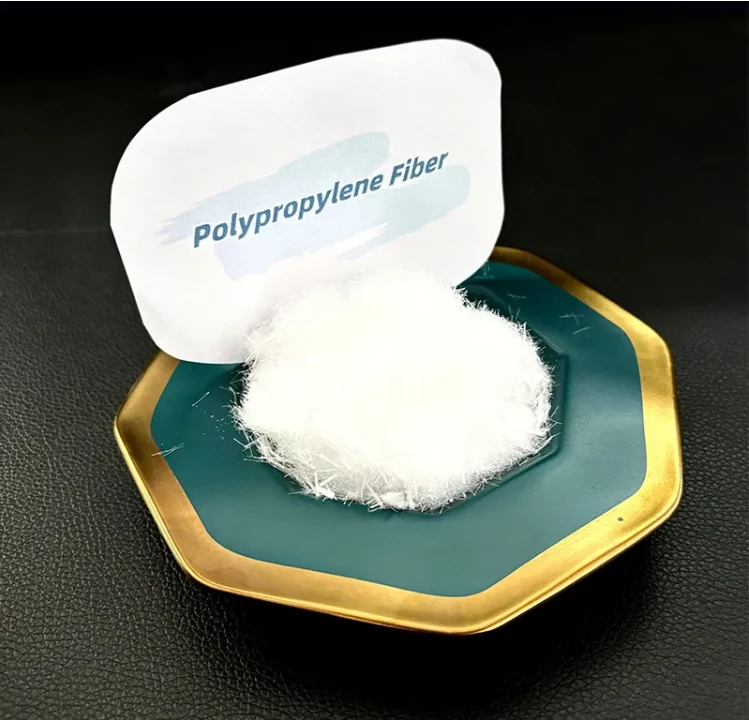
Gypsum retarder is an important construction additive, designed to extend the setting time of gypsum materials, thereby improving the operability of construction. This chemical is widely used in the construction industry, especially in projects requiring a long construction time, and plays a vital role. Due to the short setting time of traditional gypsum, it limits the large-scale and complex construction process, and after the addition of retarder, workers can more easily carry out fine construction and adjustment, ensuring the construction quality and efficiency. The main components of gypsum retarder can include a variety of organic and inorganic substances, such as sodium citrate, tartaric acid and so on. By reacting with dissolved components in gypsum, these substances delay the hydration reaction rate of gypsum, thus delaying the initial and final coagulation time. This delay does not affect the final strength of the plaster, ensuring the durability and stability of the finished product. In recent years, with the improvement of building technology and construction standards, the demand for gypsum retarder continues to grow. New environmentally friendly gypsum retardants are gradually favored by the market, and they use more green and sustainable formulations to reduce the negative impact on the environment. Manufacturers are focusing on the development of efficient and environmentally friendly retarders to meet the sustainable development needs of the modern construction industry. The application of gypsum retarder is very wide, including wall plastering, ceiling, decorative modeling and so on. It ensures the flexibility of construction operation without affecting the physical properties and aesthetics of the finished product. This makes the chemical one of the indispensable materials in modern construction. In general, gypsum retarder as a chemical additive to improve construction convenience and operability, promote the technical progress of the construction industry, while catering to the trend of sustainable development, the future market potential can not be underestimated.
-
In the construction world, performance and durability are top priorities. Hydroxypropyl methylcellulose (HPMC) has emerged as an innovative solution that greatly enhances the quality of building materials. Its versatility and outstanding properties make it a vital ingredient for construction professionals worldwide. This article delves into the key physical and chemical properties of HPMC, its role as a building materials additive, and its specific applications in cement-based materials. The Physical and Chemical Marvels of Hydroxypropyl Methylcellulose The performance of hydroxypropyl methylcellulose is largely attributed to its unique physical and chemical properties. HPMC is a non-ionic, water-soluble polymer derived from cellulose. Its molecular structure allows it to function as a thickener, stabilizer, and film-forming agent. One of its standout features is its ability to retain water, which is crucial for achieving the desired consistency and longevity in building materials. This product also boasts exceptional thermal stability and pH tolerance, allowing it to perform effectively across various construction scenarios. It remains stable even in high-temperature applications, making it ideal for cement-based systems. These attributes highlight why many industry leaders turn to a trusted hydroxypropylmethylcellulose supplier for high-quality solutions that meet stringent construction standards. Transforming Building Materials with Hydroxypropyl Methylcellulose Additives When added to building materials, hydroxypropyl methylcellulose plays a transformative role in enhancing workability, durability, and performance. It improves the adhesion and cohesion of cement, ensuring mixtures retain their integrity during application and after curing. In wall putties, for example, hydroxypropyl methylcellulose in wall putty ensures the perfect balance of viscosity and spreadability. It helps eliminate sagging and cracking, guaranteeing smooth and stable finishes that can withstand the test of time. As an additive, HPMC ensures uniform distribution of water in cement-based products, enabling consistent setting and hardening across applications. Builders who rely on this product understand its ability to facilitate easier handling and application of materials, ultimately leading to a superior finished product. If you’re looking to elevate the quality of your construction output, it’s essential to buy hydroxypropyl methylcellulose from a trusted source. Hydroxypropyl Methylcellulose in Cement Applications The specific role of hydroxypropyl methylcellulose in cement formulations is a testament to its versatility. In cement-based systems, HPMC acts as both a water-retention agent and a viscosity modifier. This ensures that the cement slurry maintains the right consistency during application, preventing undesirable effects like bleeding and segregation. Moreover, HPMC extends the open time of mortars and renders, giving workers sufficient time to adjust materials to their optimal positioning. Its water-retention property ensures uniform hydration of cement particles, which not only improves the strength but also enhances the final appearance of structures. In applications such as tile adhesives, HPMC ensures superior adhesion and stability, preventing tiles from detaching over time. Many construction professionals rely on HPMC to achieve optimal results in cementitious products and prefer working with a reputable hydroxypropylmethylcellulose supplier for consistent quality. Hydroxypropyl Methylcellulose : Unmatched Versatility Across Construction Applications The applications of hydroxypropyl methylcellulose extend far beyond wall putties and cement. Its unique properties make it an integral component in a wide array of construction products. From rendering and joint compounds to adhesives and plaster, HPMC enhances product performance and application efficiency. For manufacturers, choosing to buy hydroxypropyl methylcellulose opens doors to versatile solutions tailored for modern construction needs. This additive not only improves the mechanical properties of building materials but also ensures they stand up to environmental challenges such as temperature fluctuations and moisture exposure. Experience Excellence with Hydroxypropyl Methylcellulose Hydroxypropyl methylcellulose has become the go-to additive for achieving excellence in construction materials. Its unmatched physical and chemical properties, combined with its ability to enhance workability and durability, make it indispensable for any project. Choosing the right hydroxypropylmethylcellulose supplier ensures access to high-performance materials that meet and exceed industry standards. Whether you’re looking to improve the properties of cement, wall putties, or other construction materials, HPMC is your key to creating resilient, efficient, and long-lasting structures. Embrace the possibilities of hydroxypropyl methylcellulose today and see the difference it makes in your projects!
advantages
-

200000 Viscosities
Excellent product
We can produce pure products up to 200,000 viscosities
-

40000 tons
High yield
We don’t stop production all year round, and the annual output can reach 40,000 tons
-

24 hours
Quality service
We provide 24-hours online reception service, welcome to consult at any time
———— Inquiry Form
Schedule A services


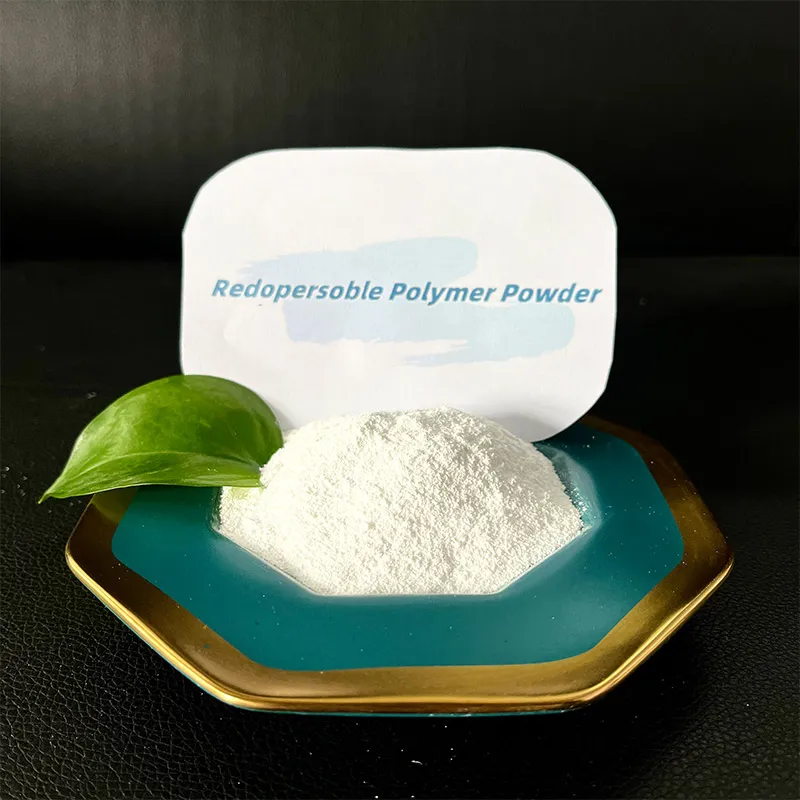
- pati_eter_untuk_mortar_kering
Oct . 25, 2025
Hydroxypropyl Methylcellulose (HPMC), widely recognized in industrial and pharmaceutical sectors, ha -
 is_hpmc_water_soluble
Oct . 25, 2025
Cellulose ether HPMC (Hydroxypropyl Methylcellulose) has emerged as a significant player in the real -
 methylcellulose_eye
Oct . 25, 2025
When it comes to tile installation in high-moisture areas such as bathrooms, kitchens, and outdoor e


